
Best Neighborhoods to Live in Loveland, CO
Best Neighborhoods to Live in Loveland, CO
Loveland sits at the southern gateway to Rocky Mountain National Park, roughly 50 miles north of Denver along the Front Range. It has grown steadily over the past decade, not because of hype, but because it delivers on the things people actually want: outdoor access, a genuine arts community, and a cost of living that doesn't require a second job to sustain. For anyone seriously considering relocating to Colorado, Loveland deserves a close look before you default to the more obvious options.
The lifestyle case is straightforward. You're within an hour of world-class skiing, hiking, and fishing, yet the city itself has a distinct cultural identity: the Loveland Sculpture Walk, a thriving gallery scene, and seasonal farmers markets give it texture that many fast-growing Front Range towns lack. Compared to Denver and Boulder, home prices remain meaningfully lower, which matters especially for first-time buyers who want to enter the market without stretching their finances to the breaking point.
That said, not every corner of Loveland suits every buyer. Choosing the right neighborhood is one of the most consequential decisions in a successful relocation. The wrong fit can mean longer commutes, schools that don't match your family's needs, or a price point that leaves no room for the unexpected. The sections below break down Loveland's neighborhoods honestly, so you can match your lifestyle and budget to the right part of the city. If you're still weighing multiple markets, it's also worth reading about why Houston appeals to first-time homebuyers before making a final call.
Family-Friendly Neighborhoods With Room to Grow
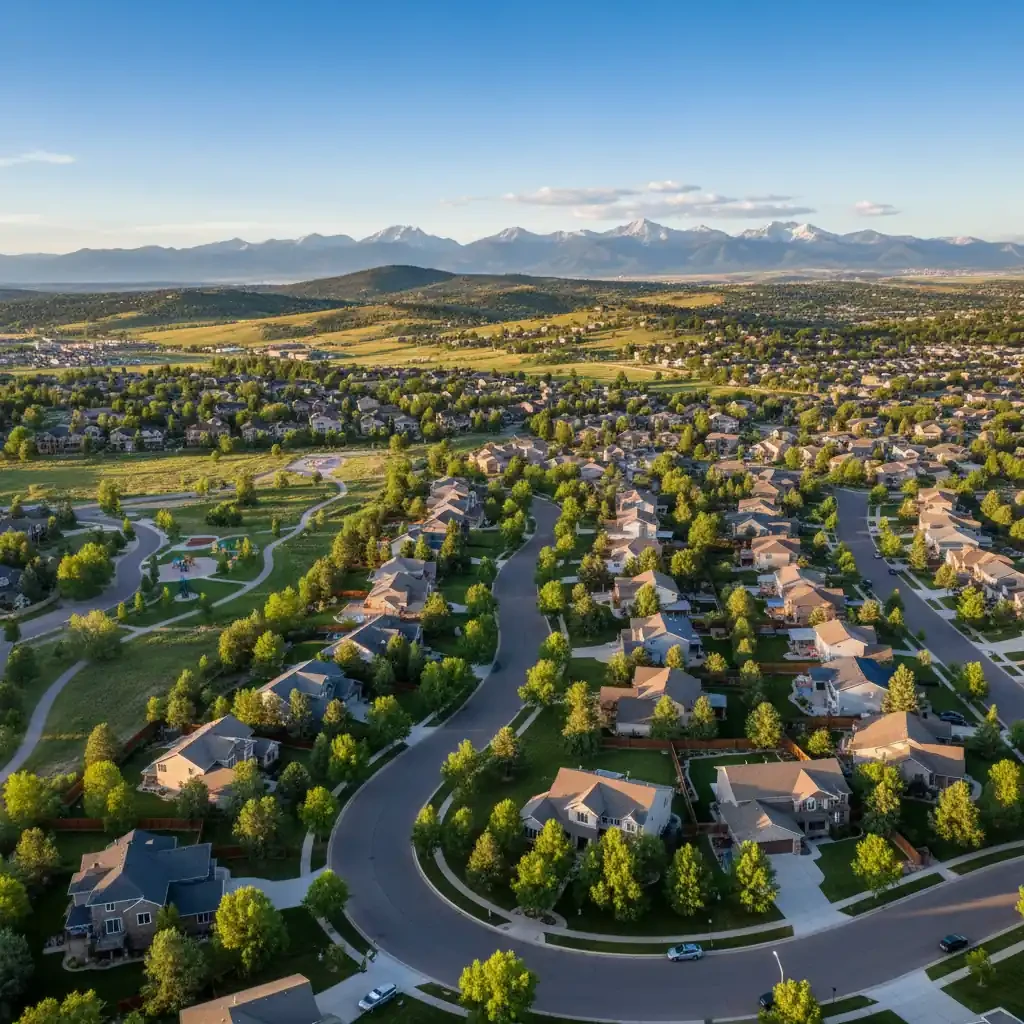
Loveland's family-oriented neighborhoods tend to cluster in its newer, master-planned corridors, areas built with schools, trails, and commuter convenience in mind. Three stand out consistently for families relocating to the area.
- Lakes at Centerra: This master-planned community near I-25 and US-34 is one of Loveland's most established family neighborhoods. It feeds into the Thompson School District, which includes several highly rated elementary and middle schools. Residents get a network of walking and biking trails, community parks, and easy highway access for commuters heading to Fort Collins or Denver. Home prices in this area generally range from the mid-$400s to the upper $600s, depending on size and lot position, solid value for the amenities included.
- Alford Meadows: A newer development in northeast Loveland, Alford Meadows attracts buyers who want more square footage without paying Boulder prices. Lots tend to be larger than in comparable Denver suburbs, and the neighborhood has developed a genuinely close-knit feel. It's popular with families moving from higher-cost metros who want to stretch their budget without sacrificing quality.
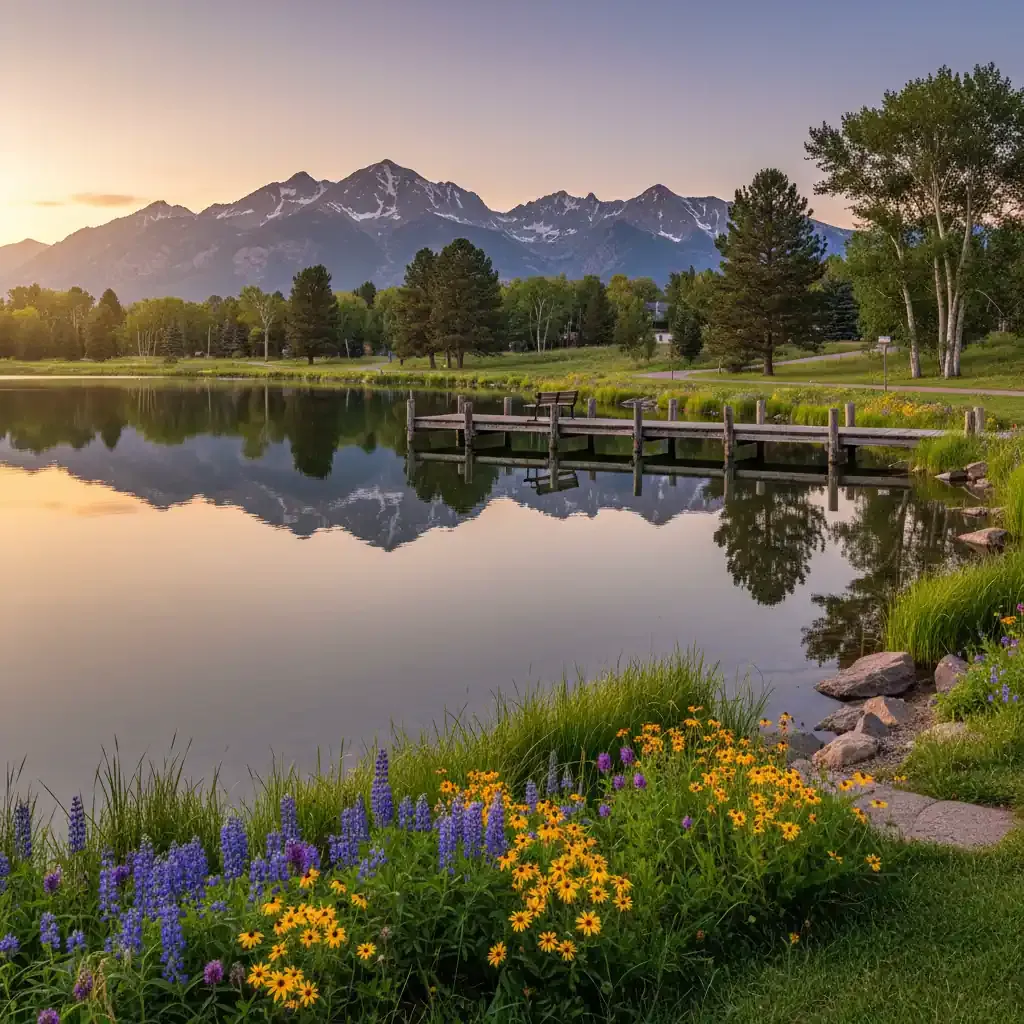
- Boyd Lake area neighborhoods: For families who measure quality of life in outdoor experiences, proximity to Boyd Lake State Park is a real draw. Neighborhoods near the lake put sailing, fishing, and paddleboarding within a few minutes of your front door, the kind of access that makes weekend memories easy to build over years, not just a single vacation.
Before committing to any of these areas, visit on a weekday morning. School drop-off traffic, park activity, and general neighborhood energy during those hours will tell you more than any listing description. Entry-level homes in Loveland's family neighborhoods typically start around $380,000 to $420,000, offering genuine value for buyers coming from pricier markets.
Downtown and Historic Loveland for Culture Lovers
Old Town Loveland operates on a different rhythm than the master-planned communities to the north and east. It's walkable in a way that most Colorado Front Range cities aren't: coffee shops, local restaurants, art galleries, and the Loveland Museum are all within comfortable walking distance of residential streets. For buyers who want daily life to feel connected rather than car-dependent, this corridor is worth serious consideration.
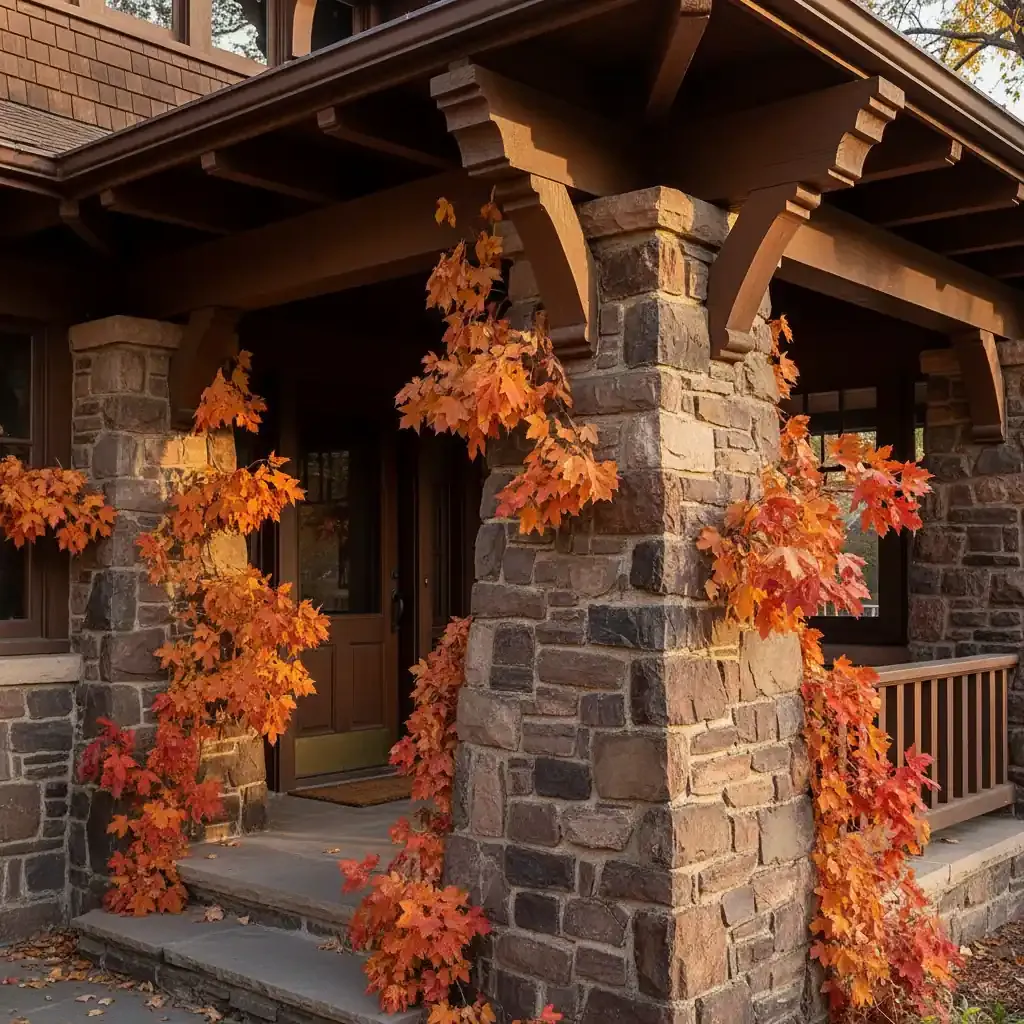
The housing stock reflects the neighborhood's history. Craftsman bungalows, Victorian-era details, and early 20th-century architecture give homes here a character that newer builds simply can't replicate. That architectural identity is part of what makes Old Town a long-term investment rather than just a place to live. Distinctive homes in walkable urban neighborhoods tend to hold value well, particularly as more buyers prioritize lifestyle over square footage.
The tradeoffs are real and worth planning for honestly. Older homes require more maintenance attention than new construction, and deferred repairs can compound quickly. Budgeting for a thorough pre-purchase inspection, and setting aside reserves for ongoing upkeep, is not optional here; it's how you protect the investment. The Loveland Sculpture Walk and the city's rotating public art installations reinforce the neighborhood's appeal year-round, as do the seasonal farmers markets that draw consistent foot traffic to the area. If you're navigating a competitive downtown market for the first time, reading through tips for finding the right real estate agent can help you move with confidence when the right property comes up.
Quiet Suburbs and Emerging Areas on Loveland's Edges
Southwest Loveland offers a noticeably different pace. The Mariana Butte and Hunters Run neighborhoods sit against the foothills, with mountain views that don't require a drive to appreciate. Mariana Butte wraps around a golf course, giving the area a landscaped, unhurried feel even during peak season. These neighborhoods appeal to buyers who want space, quiet streets, and scenery as part of their daily baseline, not just a weekend destination.
On the eastern and northern edges of the city, emerging corridors near US-34 and Wilson Avenue represent some of the more affordable entry points in the current Loveland CO real estate market. Buyers willing to purchase in these areas before infrastructure fully matures can often find homes priced $30,000 to $60,000 below comparable finished neighborhoods. That gap can fund a significant renovation or simply provide financial breathing room in the first years of ownership.
A few practical considerations for buyers looking at Loveland's outer neighborhoods:
- Lot size: Outer areas typically offer larger parcels, useful for buyers who need space for vehicles, recreational equipment, or workshop setups that wouldn't fit on a standard suburban lot.
- Infrastructure trade-offs: Newer areas often mean newer roads, utilities, and layouts built for modern vehicles and traffic patterns. The trade-off is distance from downtown dining and entertainment.
- Future growth: Check the City of Loveland's planning department maps before buying in any emerging corridor. Understanding what's planned for adjacent parcels over the next five years can significantly change a neighborhood's trajectory, and your property's value.
If you're planning to bring an RV or boat to Loveland, it's also worth knowing that vehicle storage options in Loveland are available to help you keep gear secure without relying solely on your driveway or HOA approval.
Your Next Steps Toward Calling Loveland Home
Moving to Loveland, Colorado means choosing from genuinely distinct neighborhoods, each with its own strengths. Family-focused buyers will find strong value in Lakes at Centerra, Alford Meadows, and the Boyd Lake area. Culture-driven buyers who want walkability and architectural character should focus on Old Town. Buyers prioritizing space, views, and affordability should look carefully at Mariana Butte, Hunters Run, and the emerging corridors near US-34.
The most important step before touring any of these areas is getting pre-approved for a mortgage. Loveland's market moves quickly in desirable neighborhoods, and buyers who haven't completed that step often lose out to those who have. Pre-approval also clarifies your actual budget, which can shift which neighborhoods deserve your attention and which don't fit the numbers.
Working with a local agent who understands Loveland's micro-markets is equally important. An agent who knows the difference between a Lakes at Centerra HOA and an Old Town historic overlay can save you weeks of trial and error. If you're still comparing Loveland against other markets before committing, it's worth reviewing what the housing market looks like in Las Vegas as a reference point for how different metros are performing right now.
Loveland rewards the buyers who do their homework: visit in person, talk to residents, and spend time in the neighborhoods at different times of day. The city is genuinely built for an active, community-driven lifestyle, and the right neighborhood will make that clear from the first morning you wake up there.